
Choosing the Right Glass Thickness for Your Frameless Shower Screen
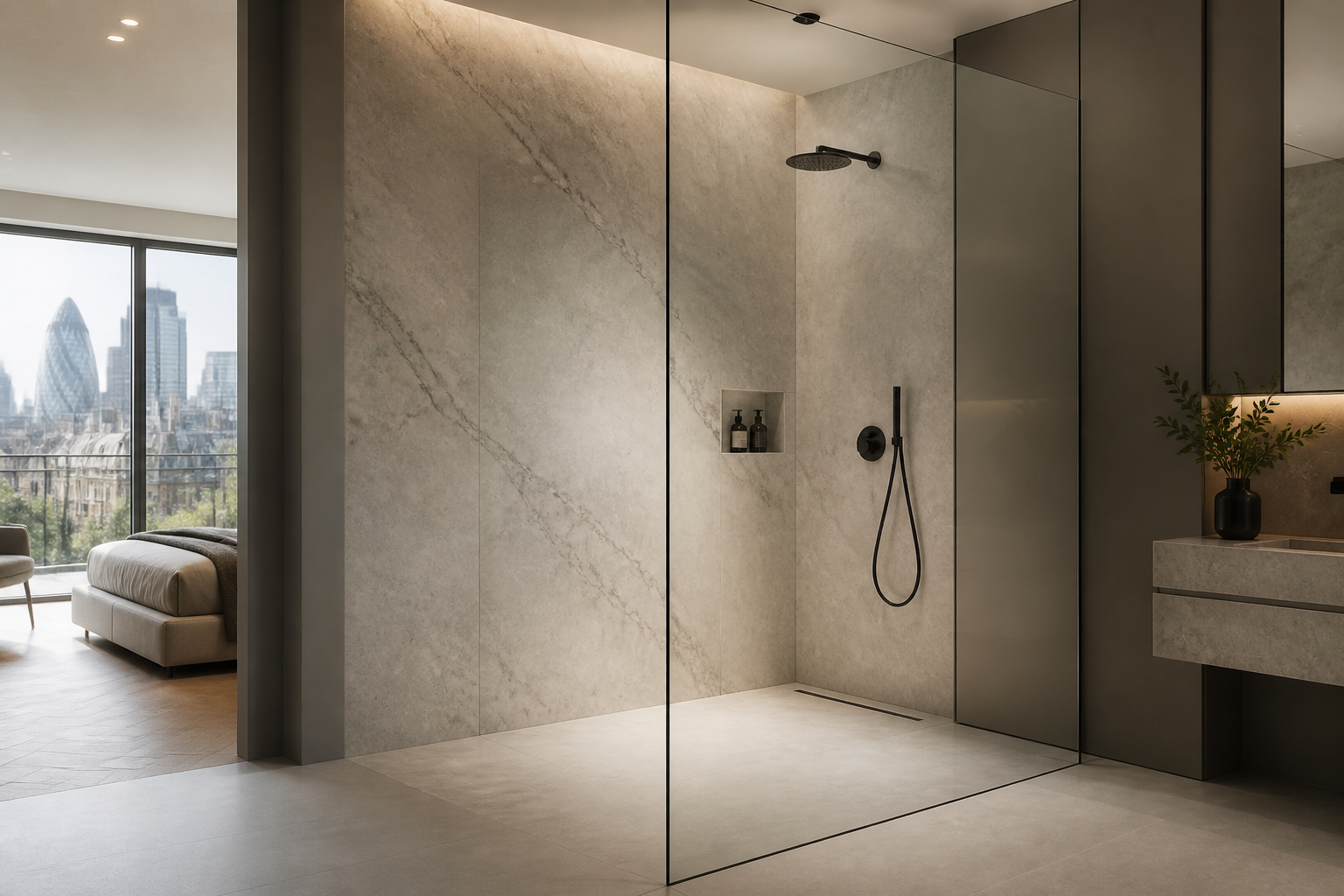
A frameless shower screen is the epitome of modern bathroom luxury, offering sleek lines, an expansive feel, and a minimalist aesthetic. While the visual appeal is undeniable, a critical decision often overlooked is the thickness of the glass. The right choice not only impacts the screen's stability and safety but also its overall look and feel. As specialists in frameless shower enclosures in London, we at Glass Tailors understand the nuances of architectural glass and are here to guide you through selecting the perfect glass thickness for your bespoke shower screen.
Key Takeaways
- 8mm toughened glass is suitable for smaller, less frequently used shower enclosures, offering a balance of cost and stability.
- 10mm toughened glass is the most popular choice, providing excellent stability, a luxurious feel, and versatility for various shower designs.
- 12mm toughened glass offers ultimate rigidity and a premium aesthetic, ideal for large, walk-in showers or high-end installations.
- Always opt for toughened glass, regardless of thickness, for superior safety and durability in your shower enclosure.
- Consider factors such as shower size, design, hardware, and budget when making your final decision on glass thickness.
Understanding Toughened Glass: The Foundation of Safety
Before delving into specific thicknesses, it's crucial to understand the material itself: toughened glass. Also known as tempered glass, this type of glass undergoes a controlled thermal or chemical treatment to increase its strength compared to standard annealed glass. When toughened glass breaks, it shatters into small, relatively harmless granular chunks instead of sharp, jagged shards, significantly reducing the risk of injury. This makes it the only safe and compliant choice for any shower enclosure or glass balustrade installation.
All our frameless shower screens are crafted from high-quality toughened glass, ensuring compliance with British Standards and providing you with peace of mind. The process of toughening creates internal stresses that make the glass four to five times stronger than untreated glass of the same thickness.
Factors Influencing Glass Thickness Choice
Selecting the ideal glass thickness isn't a one-size-fits-all decision. Several factors come into play, each contributing to the overall performance, aesthetics, and cost of your frameless shower screen.
Shower Enclosure Size and Configuration
The dimensions and design of your shower enclosure are paramount. Larger panels naturally require greater rigidity to prevent flexing and ensure stability. A small, single-panel screen might comfortably use a thinner glass, whereas a sprawling walk-in shower with multiple panels will benefit significantly from a thicker option.
Hardware and Fixings
The type of hinges, clamps, and support bars used will also influence the suitable glass thickness. Heavier glass demands more robust hardware to safely bear its weight. Conversely, some minimalist hardware designs are specifically engineered for certain glass thicknesses.
Aesthetic Preference and Desired Feel
Thicker glass inherently conveys a sense of luxury and solidity. If you're aiming for a truly high-end, substantial feel in your bathroom, opting for a thicker glass will contribute significantly to that perception. The "green edge" visible on the glass also becomes more pronounced with thicker panels, which some clients prefer as a subtle design feature.
Budget Considerations
Generally, the thicker the glass, the higher the cost. This is due to increased material usage and often more complex manufacturing and installation processes. It's important to balance your desired aesthetic and structural requirements with your overall budget for the project.
Pro Tip: Never compromise on safety. Always ensure your chosen glass thickness, regardless of the aesthetic, is toughened glass and installed by certified professionals. This is non-negotiable for any architectural glass application.
Exploring Glass Thickness Options for Your Frameless Shower Screen
Let's break down the common glass thicknesses available for frameless shower screens and their ideal applications.
8mm Toughened Glass: The Practical Choice
8mm glass is a popular and cost-effective option, particularly for smaller shower enclosures or those with more substantial framing or support. It offers a good balance of strength and affordability, making it a practical choice for many homeowners.
- Ideal for: Smaller shower doors, screens with more frequent fixing points, semi-frameless designs, or where budget is a primary concern.
- Pros: More economical, lighter weight (easier installation in some cases), still very safe as toughened glass.
- Cons: Can feel less substantial than thicker options, may exhibit more flex on very large unsupported panels.
While 8mm glass is perfectly safe and compliant for many applications, our bespoke glass experts at Glass Tailors often recommend considering 10mm glass for a more premium feel and enhanced rigidity, especially for frameless designs.
10mm Toughened Glass: The Industry Standard for Frameless
10mm glass is widely considered the sweet spot for frameless shower screens. It strikes an excellent balance between structural integrity, luxurious feel, and cost-effectiveness. This thickness provides significant rigidity, minimising flex and offering a reassuringly solid presence in your bathroom.
- Ideal for: Most frameless shower enclosures, walk-in showers, larger single panels, and designs where a premium, robust feel is desired without the added weight and cost of 12mm glass.
- Pros: Excellent stability and durability, luxurious feel, reduces flex, widely available hardware, highly recommended for most frameless installations.
- Cons: Heavier than 8mm (requires robust fixings), slightly higher cost.
For many of our recent projects across London, 10mm toughened glass is the go-to choice, delivering both aesthetic appeal and long-term performance.
12mm Toughened Glass: The Ultimate in Luxury and Rigidity
12mm glass represents the pinnacle of frameless shower screen design, offering unparalleled rigidity, a truly substantial feel, and a high-end aesthetic. This extra thickness makes a noticeable difference in the perceived quality and solidity of the enclosure, ideal for large, impressive installations.
- Ideal for: Large format walk-in showers, grand wet rooms, high-end luxury bathrooms, and situations where maximum structural integrity and a profound sense of quality are paramount.
- Pros: Superior rigidity, virtually no flex, ultimate luxurious feel, exceptionally durable.
- Cons: Heaviest and most expensive option, requires specialised heavy-duty hardware and expert installation.
When you want to make an unequivocal statement with your frameless shower screen, 12mm toughened glass is the definitive choice. It's a testament to bespoke architectural glass craftsmanship.
Installation Considerations for Different Glass Thicknesses
The installation process for a frameless shower screen is always precise, but glass thickness introduces specific considerations. Thicker glass, being significantly heavier, demands more manpower and specialised lifting equipment. For instance, a 10mm glass panel will be roughly 25% heavier than an 8mm panel of the same size, and a 12mm panel will be 50% heavier. This weight directly impacts the choice of hinges, clamps, and wall fixings, which must be rated to safely support the load. Improper installation of heavy glass can lead to safety hazards and premature failure of components. This is why professional installation by experienced technicians, like those at Glass Tailors, is crucial, especially for larger or thicker glass installations.
Maintenance and Longevity
Regardless of thickness, all toughened glass shower screens require similar care to maintain their pristine appearance. Regular cleaning with appropriate glass cleaners will prevent limescale and soap scum build-up. While thicker glass doesn't inherently require different maintenance, its robust nature can contribute to a perception of greater longevity and resistance to minor impacts over time. The key to a long-lasting shower screen, irrespective of thickness, lies in the quality of the glass itself, the precision of its fabrication, and the expertise of its installation.
Glass Tailors: Your London Bespoke Glass Specialists
Choosing the right glass thickness for your frameless shower screen is a critical decision that impacts aesthetics, safety, and longevity. At Glass Tailors, we specialise in bespoke glass solutions across London, from elegant frameless shower enclosures to stunning glass balustrades and sleek kitchen splashbacks. Our expert team will work with you to understand your vision, assess your space, and recommend the ideal glass thickness to bring your dream bathroom to life.
Don't leave such an important decision to chance. Contact us today for a consultation and discover the perfect architectural glass solution for your home.
Ultimately, the best glass thickness for your frameless shower screen will depend on a careful consideration of your specific bathroom design, desired aesthetic, and practical requirements. By understanding the characteristics and benefits of 8mm, 10mm, and 12mm toughened glass, you can make an informed decision that ensures both beauty and durability for years to come.
Thinking about a project of your own? Get a free, no-obligation quote from our team.